 English

Green Smoothies – Are They Really That Healthy?
Green smoothies and so-called superfood powders have become synonymous with health. But does a high concentration of plant compounds automatically make something beneficial? And are humans really adapted to consuming large quantities of concentrated leaves, algae and plant powders every day?

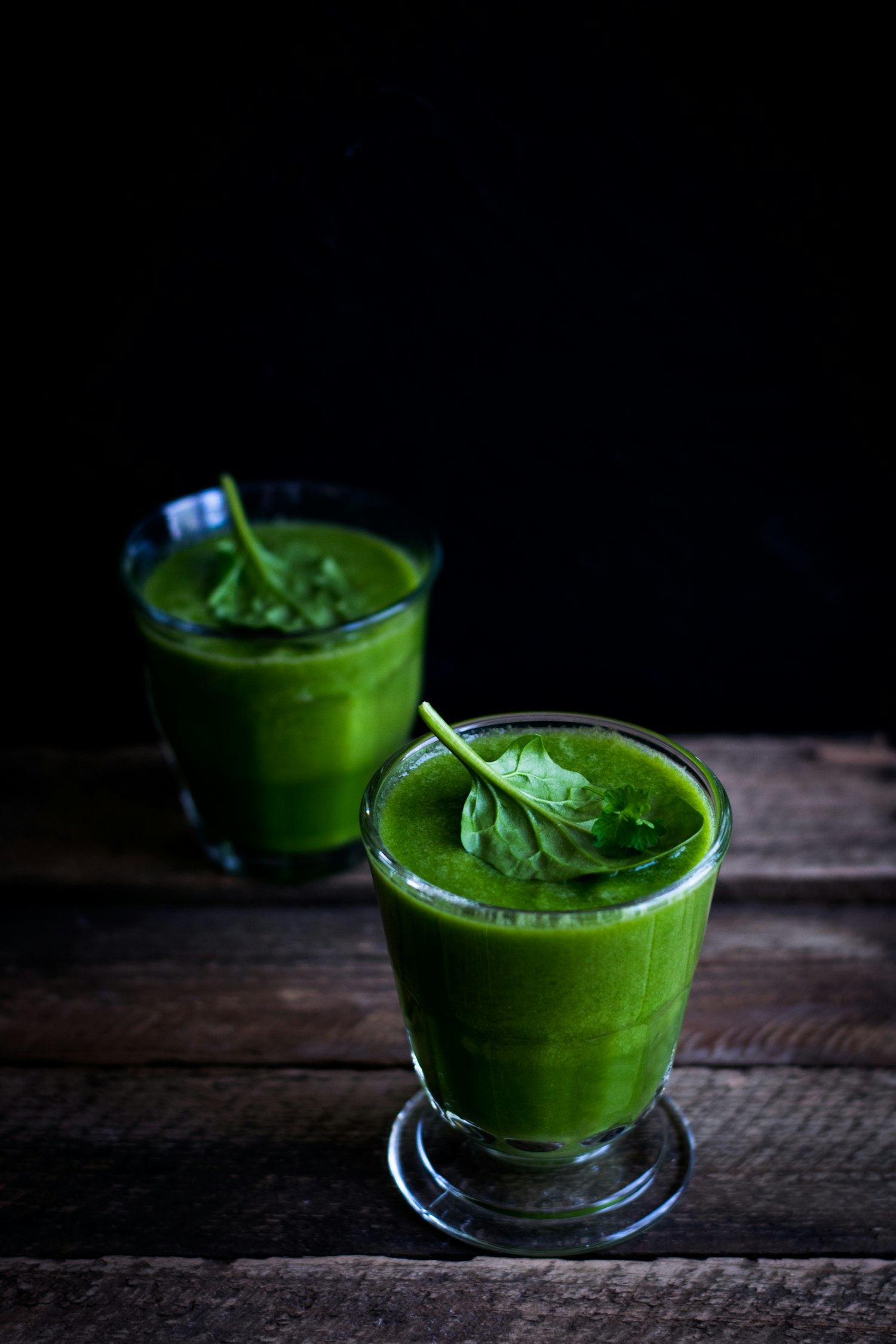
Beyond the Superfood HypeBakom hypen kring superfoods
Green smoothies and so-called superfood powders have become synonymous with health. Spinach, kale, spirulina, chlorella, moringa and matcha are often marketed as nutritional powerhouses that promise better energy, detoxification, immune function and long-term health. But does a high concentration of plant compounds automatically make something beneficial? And are humans really adapted to consuming large quantities of concentrated leaves, algae and plant powders every day?
There are good reasons to look more critically at these foods, particularly when they are consumed daily, in large amounts or instead of more nutrient-dense foods. This does not mean all green plants are harmful. Rather, it means understanding the difference between the nutrients listed for a food, how well those nutrients are absorbed and their actual effects in the human body.
Why Green Smoothies Should Not Automatically Be a Daily Staple
A green smoothie may contain several large handfuls of spinach or kale, supplemented with various green powders. This makes it possible to consume quantities of plant material within minutes that most people would not normally eat so quickly in their whole form.
Blending vegetables does not itself make them harmful. Unlike juicing, smoothies also generally retain the fibre. The main concern arises when large quantities of the same ingredients are consumed every day without considering their natural content of oxalates and other bioactive compounds.
1. Oxalates – an Underestimated Factor
Oxalates occur naturally in many plants, particularly spinach, Swiss chard and certain other leafy greens. Oxalate can bind to calcium and form calcium oxalate, the most common component of kidney stones.
For healthy individuals, normal consumption of oxalate-containing foods rarely causes problems. Very high, long-term intakes, however, may carry risks, especially for people with a history of kidney stones, impaired kidney function, fat malabsorption or altered intestinal anatomy following procedures such as bariatric surgery.
Published case reports have linked prolonged consumption of very oxalate-rich green juices and smoothies to serious kidney injury, known as oxalate nephropathy. Such cases are rare and cannot be generalised to ordinary vegetable consumption. They do, however, illustrate that even foods with a healthy reputation can become problematic in extreme quantities.
2. Phytates, Lectins and Plants’ Chemical Defences
Plants produce a wide range of chemical compounds that serve roles in their own biology, including protection against herbivores, microorganisms and environmental stresses.
Phytates, certain lectins and oxalates are sometimes grouped under the term antinutrients. Phytic acid, for example, can reduce the absorption of certain minerals, including iron and zinc, when they are present in the same meal.
It is misleading, however, to describe all these substances as toxins. Their effects depend on dose, food type, preparation and individual nutritional status. Several plant compounds sometimes called antinutrients have also been studied for potentially beneficial effects.
My main concern is therefore one of dose and context: why regularly consume large amounts of concentrated plant compounds when there is no clear evidence that those particular quantities improve health?
3. High Nutrient Content Does Not Necessarily Mean High Nutrient Absorption
A food may contain large quantities of vitamins and minerals in laboratory analyses without the body necessarily absorbing or using all of them efficiently.
Iron from plants is mainly non-haem iron, whose absorption is affected by phytates, polyphenols and the rest of the meal. Iron from meat is absorbed through partly different mechanisms and generally has higher bioavailability.
It is therefore useful to distinguish between nutrient density on paper and the amount of usable nutrition the body actually receives.
Spirulina – The Problem with Pseudo-B12
Spirulina is often sold as a complete superfood containing protein, minerals, pigments and vitamin B12. Yet its supposed B12 content is one of the strongest reasons to question spirulina as a nutritional source.
Strictly speaking, spirulina is not a botanical alga but a cyanobacterium, primarily from the genus Arthrospira.
Spirulina Contains Mostly Biologically Inactive B12
Research has shown that much of the B12-like material in spirulina consists of so-called pseudovitamin B12. These molecules resemble active vitamin B12 chemically but cannot replace its normal biological functions in the human body.
This is particularly important because some testing methods detect B12-like compounds without clearly distinguishing biologically active B12 from inactive analogues. A product may therefore appear rich in B12 even though it cannot reliably meet human B12 needs. Spirulina should not be considered a dependable source of vitamin B12, and anyone consuming spirulina should ensure adequate B12 intake from reliable sources or supplements.
Can Spirulina Increase the Risk of B12 Deficiency?
Yes, indirectly. Someone relying on spirulina as their main source of B12, for example on a vegan diet, may not receive enough active vitamin B12.
Researchers have also discussed whether inactive B12 analogues might compete with active B12 through certain transport or absorption mechanisms. However, there is insufficient clinical evidence to establish that normal quantities of spirulina cause B12 deficiency through this mechanism in humans.
The scientifically established issue is primarily that spirulina contains substantial amounts of pseudo-B12 and cannot replace a genuine B12 source. Someone who relies on spirulina may therefore develop or worsen a deficiency if their diet does not otherwise provide sufficient active B12.
Vitamin B12 deficiency can cause anaemia, fatigue, altered sensation, balance problems and neurological damage. Long-standing deficiency may have serious consequences.
Risk of Contamination
Spirulina products have also been discussed in connection with heavy metals and cyanobacterial toxins, including microcystins. Risks vary considerably according to cultivation conditions, raw material origin and quality control.
This does not mean all spirulina products are contaminated. Nevertheless, products from unknown suppliers without documented testing for heavy metals, microbiological quality and relevant toxins should be avoided.
Chlorella – It Contains Chlorophyll, but Is That a Reason to Eat It?
Chlorella is a single-celled green alga often marketed for its chlorophyll, protein, mineral and bioactive compound content.
A common claim is that chlorella can bind heavy metals and help the body detoxify. Although some laboratory and animal studies have investigated such properties, the clinical evidence is not strong enough to recommend chlorella as a treatment for heavy-metal poisoning or as an essential daily detox product.
Chlorella and Vitamin B12
Unlike spirulina, some chlorella products may contain biologically active vitamin B12. However, concentrations vary considerably between products and growing conditions. This makes chlorella a less predictable B12 source than a quality-assured supplement containing a defined amount of active B12.
Important Questions About Quality
Chlorella is grown in water-based systems where control of cultivation conditions, raw material quality and the final product is essential. Algae can absorb substances from their surroundings under certain conditions, making analyses for heavy metals and other contaminants especially important.
Chlorella may also cause digestive discomfort in some people. Because it can contain significant amounts of vitamin K, people taking warfarin should maintain a consistent intake.
Of the algae used as dietary supplements, I consider chlorella the most interesting option, largely because of its nutrient profile and biologically active compounds. I therefore view it as a more appealing supplement than spirulina, for example. Nevertheless, I would be careful about quality, origin and dosage, and I would not assume that chlorella automatically has detoxifying effects simply because it contains abundant chlorophyll.
Moringa – Nutrient-Rich on Paper, but How Much Do We Really Know?
Moringa oleifera is a tree whose leaves are commonly dried and ground into powder. Moringa is marketed as a concentrated source of minerals, vitamins, protein and antioxidants.
But a high nutrient content per 100 grams of dry weight can be misleading when a normal serving consists of only a few grams of powder. The actual nutrient quantities consumed may be far smaller than the marketing suggests.
Bioactive Compounds and Limited Long-Term Research
Moringa leaves contain polyphenols, glucosinolates and other biologically active compounds. Studies have explored possible effects on blood glucose and blood lipids, among other outcomes, but long-term research on regular consumption of concentrated moringa powder remains limited.
We therefore cannot conclude from moringa’s chemical composition alone that consuming high amounts every day improves health.
Moringa and Food Safety
Quality assurance is particularly important when plants are dried, ground into powders and transported through long supply chains.
During 2026, the US CDC and FDA reported Salmonella outbreaks linked to particular moringa leaf powder products, resulting in recalls. These incidents do not mean moringa is generally unsafe, but they demonstrate why microbiological controls for dried plant powders matter.
People taking glucose-lowering or blood-pressure medication should also consult a healthcare professional before using concentrated moringa supplements, as potential effects and interactions require individual assessment.
Matcha – Is Concentrated Green Tea Really Better?
Matcha is made from finely ground green tea leaves. Unlike ordinary tea, in which the leaves steep in water and are then removed, matcha involves consuming the leaf powder itself.
Matcha contains caffeine, catechins and the amino acid L-theanine. These compounds can have physiological effects, but that does not automatically mean more matcha is better.
1. Caffeine Can Affect Sleep and Stress
Matcha contains caffeine and can therefore increase alertness. However, sensitivity to caffeine varies greatly between individuals.
Regular consumption, especially later in the day, can impair sleep quality even in people who feel they fall asleep without difficulty. Limiting intake may be particularly relevant for those already experiencing stress-related symptoms or sleep problems.
2. Catechins and Liver Health
Matcha contains green tea catechins, including epigallocatechin gallate (EGCG). The European Food Safety Authority (EFSA) has reviewed the safety of these substances and found that green tea consumed as a drink is generally considered safe, whereas high doses of catechins from concentrated supplements may pose a risk to the liver.
In studies, doses around 800 mg of EGCG per day from supplements have been associated with signs of liver injury. This should not be equated with the risk from a normal cup of matcha, because EGCG exposure, preparation and dosage differ.
I would be especially cautious with concentrated green tea extracts and products combining matcha with additional high doses of EGCG.
3. Matcha and Iron Absorption
Polyphenols in tea can reduce the absorption of non-haem iron from a meal. This is particularly relevant for people with iron deficiency, low iron stores or diets in which much of the iron comes from plants.
For these individuals, it may be wise to avoid matcha and ordinary tea immediately before, during or after iron-rich meals or iron supplementation.
Are All Antioxidants Automatically Beneficial?
A recurring marketing argument for green powders is their high antioxidant content. Yet human biology is far more complex than the idea that consuming more antioxidants necessarily makes us healthier.
Reactive oxygen species also perform important functions in the body, contributing to cell signalling, immune defence and adaptation to physical exercise.
We therefore cannot conclude that a compound improves health solely because it shows antioxidant activity in a laboratory test. Dose, bioavailability and effects in living humans are what matter.
Research also suggests that high doses of some isolated antioxidant supplements can interfere with aspects of the body’s normal adaptation to training. These findings cannot, however, be applied directly to all antioxidant-rich foods.
What Is Better Than a Daily Green Smoothie?
I prefer building a diet around nutrient-dense foods with good bioavailability rather than attempting to compensate for a less carefully considered diet with concentrated plant powders.
For me, that primarily means high-quality meat, fish, eggs and dairy products, complemented by fruit, berries and other well-tolerated foods.
Animal foods provide complete protein, biologically active vitamin B12, haem iron, zinc and other important nutrients. Fruit and berries contribute vitamin C, potassium, fluids and a variety of plant compounds.
This does not mean leafy greens must be excluded. I simply see no reason to make large amounts of raw spinach, algal powders or concentrated green blends a compulsory part of the daily diet.
Personal Reflection – Why I Am Sceptical of Green Superfoods
I believe there is good reason to question the idea that humans need large quantities of concentrated green plants to achieve optimal health.
From an evolutionary perspective, Homo sapiens has lived in very different environments and consumed both animal and plant foods. Diets have varied according to climate, availability and season. There is therefore no single ancestral human diet that can serve as a definitive blueprint.
However, the modern ability to consume large amounts of dried leaves, powdered algae and concentrated plant extracts throughout the year does not have an obvious equivalent in our ancestral food environments.
This does not mean such products are automatically harmful or biologically alien to humans. A green smoothie can contain valuable nutrients. But it does not automatically become healthier simply because more green powders are added.
My guiding principle is simple: just because a plant contains many biologically active compounds does not mean humans need to consume them every day, especially in concentrated quantities.
Conclusion – Green Does Not Automatically Mean Healthy
Green smoothies, moringa, chlorella, matcha and spirulina can contain nutrients and bioactive compounds of interest. But they also have limitations and potential risks that often receive too little attention in marketing.
- Green smoothies: Be cautious about consuming very large amounts of oxalate-rich leafy greens, particularly spinach, on a regular basis.
- Spirulina: Contains mostly biologically inactive pseudo-B12 and is not a reliable source of vitamin B12. Raw material purity matters.
- Chlorella: Has variable B12 content and insufficient evidence to support broad detox claims.
- Moringa: Contains bioactive compounds, but evidence concerning long-term consumption of concentrated powders is limited. Microbiological quality must be assured.
- Matcha: Contains caffeine and catechins. Normal consumption as a drink differs from high doses of concentrated green tea extract.
My conclusion is not that these foods should never be consumed, but that there is little reason to consider them essential daily staples. For most people, a well-planned, nutrient-dense diet matters more than regularly adding a variety of green powders.
Frequently Asked Questions About Green Smoothies and Superfoods
Is Spirulina a Good Source of Vitamin B12?
No. Spirulina contains mostly biologically inactive pseudovitamin B12 and should not be used as the sole or main source of B12.
Can Spirulina Cause Vitamin B12 Deficiency?
Spirulina can indirectly contribute to B12 deficiency if it is used instead of a reliable source of active vitamin B12. However, it has not been established that pseudo-B12 from normal amounts of spirulina directly causes B12 deficiency in humans.
Can Chlorella Remove Heavy Metals from the Body?
Laboratory and animal studies have investigated chlorella’s possible binding properties, but sufficiently strong clinical evidence is lacking to recommend it as a treatment for heavy-metal poisoning.
Is Moringa Better Than Ordinary Vegetables?
There is not enough comparative clinical research to claim that moringa powder is generally better than ordinary vegetables. Nutrient content must also be assessed in relation to actual serving size and bioavailability.
Is Matcha Harmful to the Liver?
Normal consumption of green tea as a drink is generally considered safe. The risk of liver injury has primarily been linked to high doses of concentrated green tea catechins in supplements.
Which Leafy Greens Are High in Oxalates?
Spinach and Swiss chard are among the leafy greens that can contain high levels of oxalates. Concentrations vary depending on the variety, growing conditions and cooking method.
Do Humans Need Green Superfood Powders to Be Healthy?
No. There is no established nutritional requirement for spirulina, chlorella, moringa, matcha or commercial superfood blends. Essential nutrient needs can be met through a well-composed diet, with supplements where appropriate.
Scientific References
- Watanabe F. et al. Characterization and bioavailability of vitamin B12-compounds from edible algae. Journal of Nutritional Science and Vitaminology, 2002. PubMed.
- Watanabe F. et al. Pseudovitamin B12 is the predominant cobamide of an algal health food, spirulina tablets. Journal of Agricultural and Food Chemistry, 1999. PubMed.
- Watanabe F. et al. Vitamin B12-Containing Plant Food Sources for Vegetarians. Nutrients, 2014. Fulltext.
- Green Smoothie Cleanse Causing Acute Oxalate Nephropathy. American Journal of Kidney Diseases, 2018. PubMed.
- Acute Oxalate Nephropathy Caused by Excessive Vegetable Juicing and Concomitant Volume Depletion. Fulltext.
- EFSA. Scientific Opinion on the Safety of Green Tea Catechins, 2018. EFSA.
- Toxin Content and Cytotoxicity of Algal Dietary Supplements, 2012. PubMed.
- FDA. Outbreak Investigation of Salmonella: Moringa Leaf Powder, 2026. FDA.