 English

Exercise
Exercise
Move naturally. Build strength, mobility and lifelong resilience.
Träning
Rör dig naturligt. Bygg styrka, rörlighet och motståndskraft för livet.
Exercise Guides
Illustrated step-by-step techniques for push-ups, squats, planks and lunges.
Träningsguider
Illustrerade steg-för-steg-guider till armhävningar, knäböj, plankan och utfall.
Strength & FasciaStyrka & Fascia
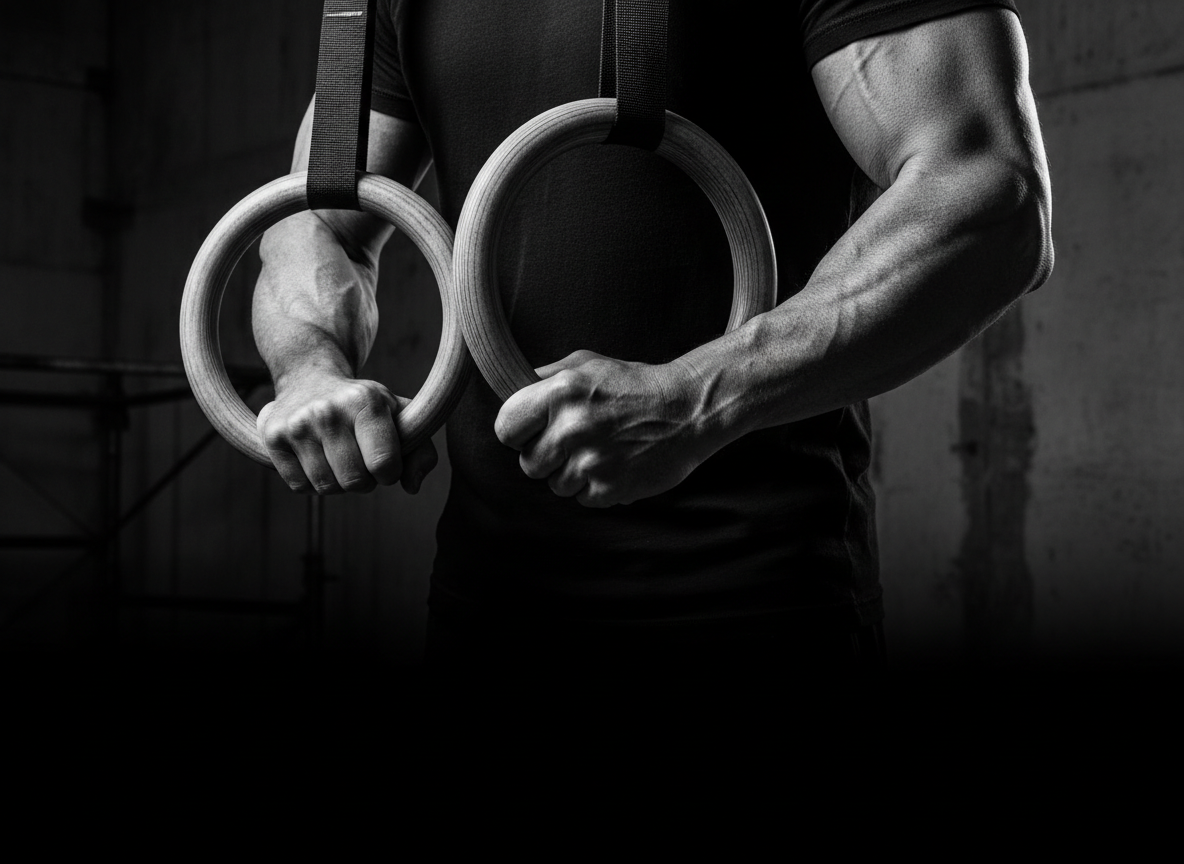
Aim to strength train 3–4 times per week if possible. You can train using your own body weight or at the gym. Pay particular attention to exercises that help maintain healthy, flexible, and mobile fascia. This primarily means movements that take your body through a full, controlled range of motion, engaging multiple joints and muscle chains together, rather than relying exclusively on isolated exercises performed through very limited ranges of motion.
Mobility & Natural MovementRörlighet & Naturlig Rörelse
Good examples include different types of lunges, lateral lunges, thoracic spine rotations, hip rotations, controlled bending and extension movements, pulling and pressing exercises that allow your shoulder blades and upper back to move naturally, and exercises that engage your body diagonally and across multiple planes of movement. Dynamic mobility exercises before or after strength training can also be beneficial.
Vary the way you move. Fascia responds to mechanical loading from different directions, so avoid limiting your training to forward and backward movements. Incorporate lateral movements, rotations, and diagonal movement patterns as well. Slow eccentric movements, where you control and resist the weight as you lower it, can also be valuable because they place controlled loads on tissues throughout a greater range of motion.
At the same time, avoid forcing your body into aggressive stretching. The goal is not to stretch as far as possible, but to gradually improve your body’s ability to move freely, strongly, and with control throughout its natural range of motion. Regular movement throughout the day is just as important. Walking, frequently changing your sitting position, and avoiding prolonged periods of complete inactivity can all help reduce stiffness.
Start Slowly, Build ConsistencyBörja Lugnt, Var Konsekvent
If you’re new to exercise, start gently and gradually increase the intensity and resistance. Consistency matters more than training hard. A few carefully chosen movements performed regularly are far more beneficial than occasional intense workouts.

Cardio & Balanced TrainingKondition & Balanserad Träning
Consider incorporating high-intensity interval training (HIIT) to improve cardiovascular fitness.
Complement your strength training with gentler forms of movement, such as yoga, tai chi, or qigong. These practices may support recovery, mobility, and nervous system balance. However, avoid extreme yoga positions and excessive stretching.
Avoid very long, physically demanding cardiovascular workouts, such as running or other endurance exercise performed at approximately 75% of your maximum heart rate for more than an hour. This type of training can place excessive demands on your body, particularly if you’re already experiencing significant stress or impaired recovery. Read more about this here.

Sauna, Cold & RecoveryBastu, Kyla & Återhämtning
If possible, enjoy an infrared sauna or traditional sauna after your workout. Sauna use can be a valuable addition to your recovery and relaxation routine. However, be aware that frequent sauna sessions, particularly those lasting more than 15–20 minutes, may temporarily reduce male fertility by lowering sperm count, motility, and viability due to excessive heat exposure to the testicles. In other words, avoid using the sauna too frequently or for extended periods, and consider keeping the testicles cool with ice if possible. Limit sauna use to a maximum of 1–2 sessions per week, lasting no more than 10–15 minutes each.
If possible, take a cold shower or cold plunge before your workout. Ideally, avoid intense cold exposure immediately after training, as it may interfere with some of the body’s normal adaptations to exercise.

Creatine & NutritionKreatin & Näring
Take one heaping teaspoon of high-quality creatine in a large glass of water within 30 minutes after your workout. Taking creatine after exercise may, in some cases, offer slightly greater benefits for muscle mass and strength than taking it beforehand. One possible explanation is that blood flow to the muscles is increased after exercise, potentially making the body more receptive to nutrient uptake.
However, the most important factor is taking creatine consistently every day, since its benefits build up over time. On training days, you can therefore take approximately 1–2 heaping teaspoons immediately after your workout, preferably with food or a beverage. On rest days, take the same amount with your first meal of the day.
Adapt Training to Your NeedsAnpassa Träningen efter Dina Behov
Pregnant women and those who have recently given birth should adapt their exercise routines to their individual circumstances. Consider working with a qualified personal trainer or healthcare professional for individual guidance.